
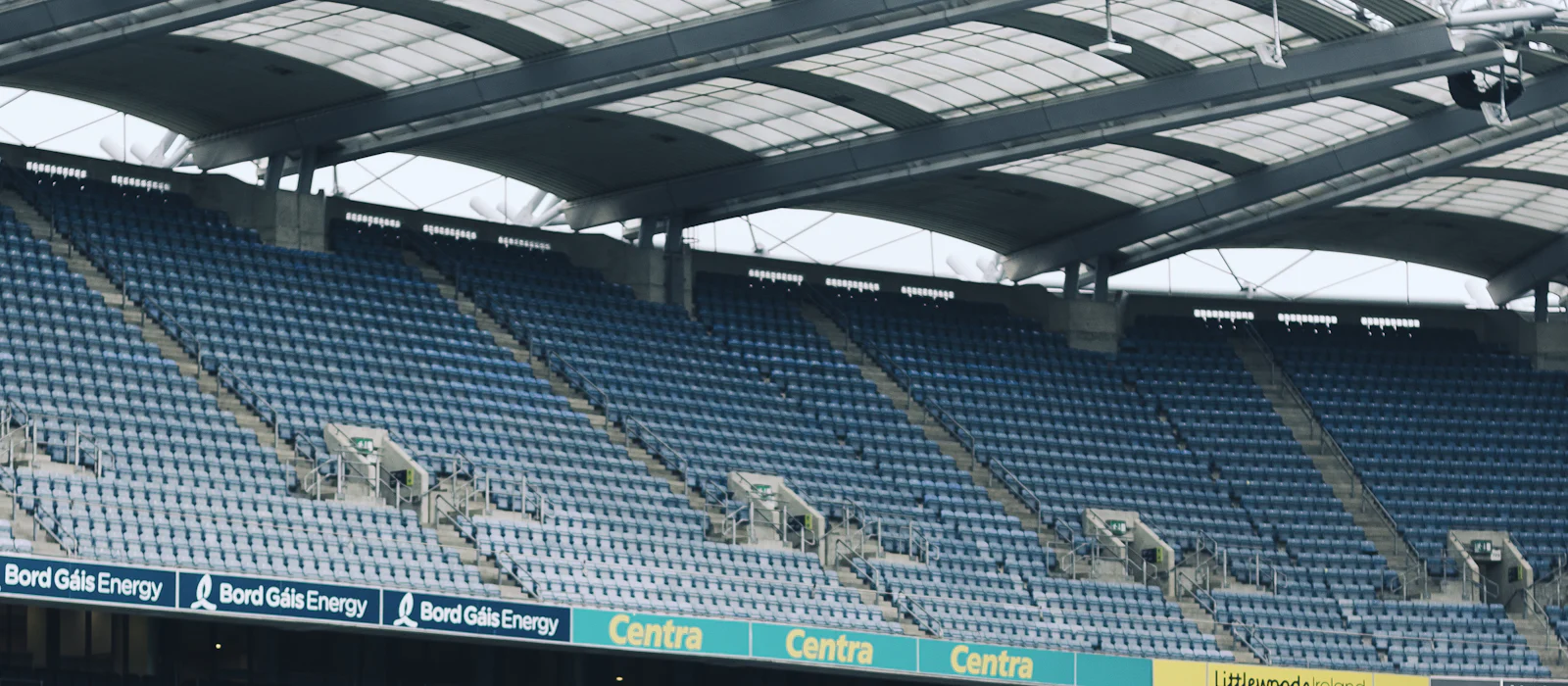
Stadiums, Arenas, and Event Venues
Every stand and every kitchen, documented per location.
Venues are the widest system count we work with. Concessions mean many small hood systems distributed through the building, alongside club-level restaurant kitchens and catering operations, all on a schedule dictated by the event calendar.
What is different about this work
A venue is dozens of small systems and a handful of large ones, which is a different problem from one busy kitchen. Concession hoods are individually simple; the club-level and catering kitchens behind them are not. None of it is complicated on its own. Collectively it is a documentation exercise, because every stand needs its own record and nobody wants to reconstruct that from invoices.
In practice the first problem is often the inventory. Stands are added, converted, and closed over years, and a complete list of what is actually in the building is frequently held by nobody. A fire marshal walking the concourse before a major event does not accept that, and an insurer does not accept it afterwards.
Then there is the calendar, which governs everything. The work happens on dark days and in the off-season, and both of those move: a booking lands, a run gets extended, a series goes long. A schedule that survives that has to be sequenced rather than fixed. Where a concessionaire runs the kitchens, the record still has to serve the venue, because the building is what gets inspected.
The constraints we plan around
System count, not system complexity
Many small concession hoods plus club-level kitchens. Each is documented individually in one engagement.
The event calendar governs
Work is planned around dark days and off-season blocks, with the sequence built to absorb a booking that moves.
The operator is often a concessionaire
The agreement may sit with the concessions company while the compliance record serves the venue. Reporting is built for both.
Volume is uneven across the building
Frequencies are set per system under NFPA 96 Table 12.4, so a high-volume club kitchen and a seasonal stand are not on the same schedule by default.
What changes, and what does not
The cleaning scope is the same NFPA 96 work everywhere. What changes is the scheduling, the documentation format, and how access is handled.
- Full venue system inventory with per-location documentation
- Scheduling built around the event calendar and off-season blocks
- Reporting structured for both the venue and the concessions operator
- Uniformed, badged technicians working controlled back-of-house areas
- Deficiency reporting across the building, so corrections can be planned in one pass
A documented inspection, yours to keep
For stadiums and venues, we will walk the system and give you a documented look at its condition: photographs of what is actually in the ductwork and at the fan, with findings referenced to NFPA 96 and IKECA cleanliness thresholds. It is yours to use internally whether or not you work with us.
Services for stadiums and venues
Hood Cleaning
Full kitchen exhaust system cleaning performed in accordance with NFPA 96, with before and after photographs and a service report built for your compliance file.
Kitchen Exhaust Repair and Maintenance
Access panels, hinge kits, fan repairs, and the related components we find during cleaning, documented with photographs and quoted as a single job price.
Commercial Kitchen Deep Cleaning
Full deep cleaning of the kitchen and cafeteria, including surfaces, equipment, and flooring, performed after close of operations.
Tell us about your kitchen
Tell us how many systems are in the building and when the dark days fall. We will scope the venue.
Estimates are free, anywhere in our service area. If you are working against an inspection or insurance date, say so in the form and we will tell you plainly what we can do.
Compliance handled, so you can run the operation
Send us your sites and what you cook. We will come back with a frequency set against the standard, a documentation plan, and a written quote.