
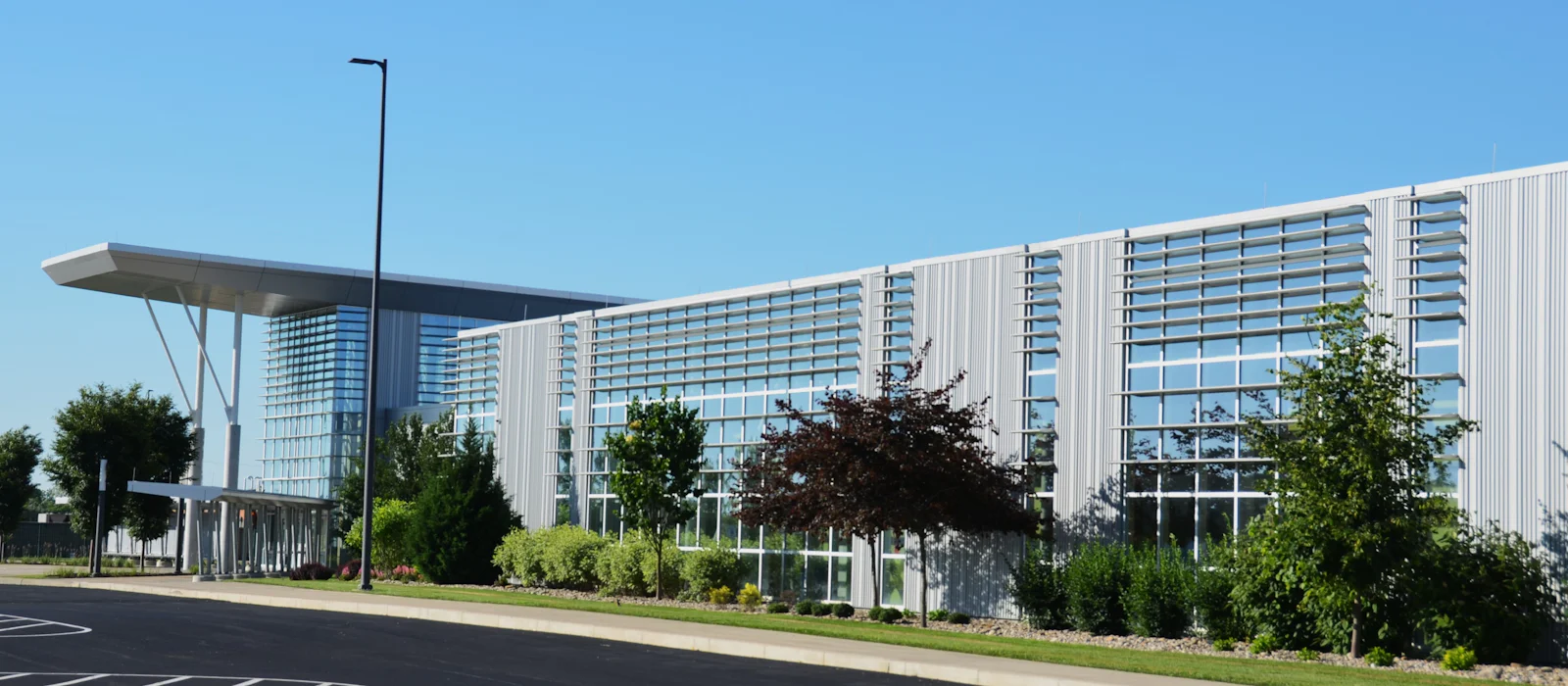
Corporate Campuses and Commercial Properties
Access, scheduling, and paperwork you should not have to manage.
Corporate campus dining and property-managed commercial buildings come down to the same person: a facility or property manager who needs the kitchen served without tenant complaints, access problems, or documentation they have to chase.
What is different about this work
The kitchen usually belongs to somebody other than the person calling about it. The building owner, the property manager, the tenant, and often a contract foodservice operator all have an interest in the system being compliant, and the documentation has to reach more than one of them. Getting the work done is rarely the difficult part. Getting the record into the right file is.
Volume here is also less predictable than it used to be. A cafe built to feed a full building now runs against a hybrid schedule, and a system specified on the original assumption may be well above or well below its actual load. Frequency set on measured cooking volume rather than on what the kitchen was designed for is what holds up when someone checks.
What you are protecting is a quiet week. Tenant complaints are the currency here: a smell in the lobby, a freight lift tied up, a wet floor at eight in the morning. A contractor who books the dock, confirms before the visit, works outside operating hours, and leaves nothing for you to explain afterwards is doing the part of the job you are actually judged on.
The constraints we plan around
Several parties, one system
Owner, property manager, tenant, and often a contract foodservice operator. Documentation is produced so each holds what they need.
Access should not be your problem
We coordinate and self-manage access, and confirm before every visit rather than turning up.
Tenant complaints are the failure mode
Work outside operating hours, protection in place, and impacted areas cleaned and polished afterward.
The file has to be dropped in, not built
Reports arrive in a form that goes straight into the property or tenant compliance file.
What changes, and what does not
The cleaning scope is the same NFPA 96 work everywhere. What changes is the scheduling, the documentation format, and how access is handled.
- Confirmations before every scheduled visit
- Self-managed access and after-hours scheduling
- Documentation formatted for the property or tenant compliance file
- Deficiency reporting with photographs, so capital items can be raised early
- Vendor onboarding and certificate requirements handled as routine
A documented inspection, yours to keep
For corporate and commercial, we will walk the system and give you a documented look at its condition: photographs of what is actually in the ductwork and at the fan, with findings referenced to NFPA 96 and IKECA cleanliness thresholds. It is yours to use internally whether or not you work with us.
Services for corporate and commercial
Hood Cleaning
Full kitchen exhaust system cleaning performed in accordance with NFPA 96, with before and after photographs and a service report built for your compliance file.
Kitchen Exhaust Repair and Maintenance
Access panels, hinge kits, fan repairs, and the related components we find during cleaning, documented with photographs and quoted as a single job price.
Exterior Pressure Washing
Building exteriors, entryways, dumpster pads, drive-through lanes, parking lots, and the rooftop grease containment around your exhaust fan.
Tell us about your kitchen
Tell us about the building, the kitchen, and who needs to receive the documentation. We will scope it.
Estimates are free, anywhere in our service area. If you are working against an inspection or insurance date, say so in the form and we will tell you plainly what we can do.
Compliance handled, so you can run the operation
Send us your sites and what you cook. We will come back with a frequency set against the standard, a documentation plan, and a written quote.