
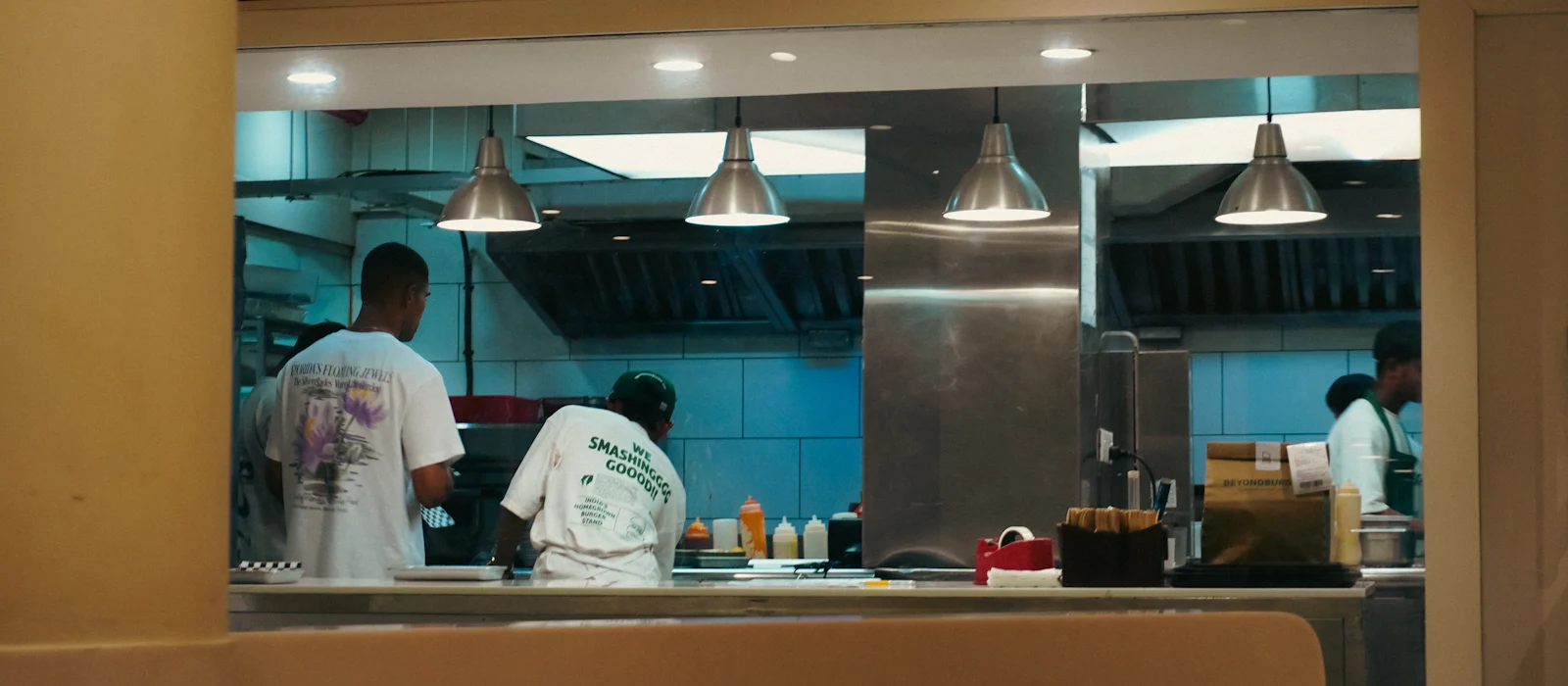
Nine kinds of operations, nine different sets of constraints
The standard is the same. Nothing else is.
A resort with several outlets, a district with sixty buildings, a hospital kitchen that cannot stop, and a stadium with dozens of concession stands all need NFPA 96 compliance. How the work is scheduled, who signs, and what the documentation has to satisfy differ completely.
Hotels, Resorts, and Casinos
Every outlet on the property, documented on one schedule.
Multiple kitchens under one roof, narrow overnight windows, and brand or gaming standards that expect documentation on file.
How we work hereSchool Districts
The whole district, inside the window you have.
Many kitchens, one summer window, per-site reports the district can file, and vendor paperwork that clears procurement on the first pass.
How we work hereColleges and Universities
One campus, many kitchens, one project.
Dining halls, retail outlets, and student unions on one campus, worked as a multi-day project inside semester-break windows.
How we work hereGrocery and Multi-Site Retail
Every store the same. Every report in one place.
Consistent execution across every store, with consolidated reporting that a compliance program can actually be run from.
How we work hereHealthcare and Senior Living
Documentation that holds up in a life safety review.
Kitchens that cannot stop producing meals, in facilities where documentation is audited.
How we work hereCorporate Campuses and Commercial Properties
Access, scheduling, and paperwork you should not have to manage.
For the facility manager, whoever employs them, across corporate dining, office buildings, and property-managed sites.
How we work hereStadiums, Arenas, and Event Venues
Every stand and every kitchen, documented per location.
Many small concession systems plus club-level kitchens, scheduled around an event calendar and documented per location.
How we work hereGovernment and Public Facilities
Registered and procurement-ready.
Registered in SAM.gov, carrying $4,000,000 in general liability, and set up for the paperwork public procurement runs on.
How we work hereRestaurants and Multi-Unit Chains
The interval your cooking earns, held at every unit.
Full service kitchens cooking at volume, and quick service groups that need the same scope executed identically at every unit.
How we work hereMost of these calls begin the same way
Whatever the segment, the trigger is usually the same: the fire marshal, the insurance carrier, or the landlord. What that buyer needs is the compliance sticker and a written report their inspector accepts, plus a crew that leaves the kitchen ready for the morning shift.
The pages above cover how scheduling, documentation, and access change by segment. The scope itself does not change, and it lives on the service pages.
One schedule, one record, one company
Districts, portfolios, campuses, and properties share a problem single-site operators do not: the compliance record is collective, but the inspections are individual. Every building has its own fire authority visit and its own documentation requirement.
We run those accounts as programs. One schedule across every site, per-site documentation that satisfies each local inspector, and a consolidated record a director or risk manager can review in one place instead of assembling from invoices.
Tell us what kind of kitchens you run
One site or sixty. We will scope the frequency, the documentation, and the scheduling around how your operation actually works.